🧭 Purpose and Use Case
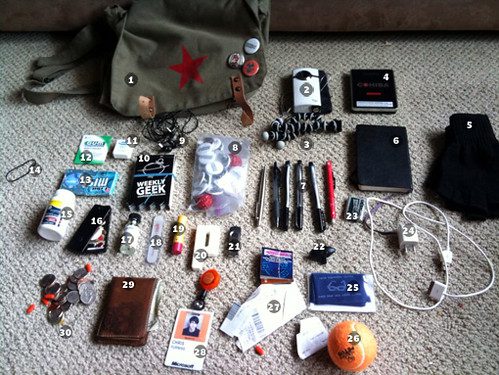
A Go Bag is designed for immediate evacuation. Think of it as your “grab-and-go” solution when you have only seconds to leave your home or workplace. It’s compact, lightweight, and portable—meant to sustain you for the first 24 to 72 hours after a crisis begins.
In contrast, a full emergency kit is built for sheltering in place. It’s more comprehensive and includes supplies to support you and your household for several days or even weeks. This kit is typically stored in a fixed location like your home, office, or car and is not meant to be carried on foot.
🏃♂️ Mobility vs. Stability
- Go Bag: Prioritizes mobility. It’s usually a backpack or duffel bag that you can carry comfortably while walking or running. It’s ideal for scenarios like wildfires, chemical spills, or earthquakes—where you may need to evacuate quickly and travel light.
- Full Emergency Kit: Prioritizes stability and completeness. It may be stored in a large plastic bin, suitcase, or even a closet. It’s not meant to be moved frequently and may contain bulkier items like gallons of water, cooking supplies, or extra bedding.
🕒 Timeframe of Use
- Go Bag: Designed for short-term survival. It helps you get through the first few hours or days until you reach a safer location or receive aid.
- Full Emergency Kit: Supports longer-term needs. It’s meant to help you stay safe and self-sufficient if you’re stuck at home without power, water, or access to stores for several days.
🧩 Customization and Complexity
- Go Bag: Highly personalized. Each family member should have their own, tailored to their specific needs—medications, glasses, comfort items, etc. It’s also a great place to include copies of important documents and emergency contact information.
- Full Emergency Kit: More comprehensive and often shared among household members. It includes a broader range of supplies like tools, sanitation items, and backup power sources.
🏠 Storage and Accessibility
- Go Bag: Should be stored in an easy-to-grab location—near your front door, under your bed, or in your car. The goal is to be able to grab it in under a minute.
- Full Emergency Kit: Can be stored in a central, secure location like a closet, garage shelf, or utility room. It’s less about speed and more about completeness and accessibility during extended disruptions.
🧠 Psychological Readiness
Having both types of kits supports different psychological needs during a crisis:
- A Go Bag provides peace of mind that you can leave quickly and still have essentials.
- A full emergency kit offers confidence that you can endure a prolonged emergency without external help.
🧳 Real-World Scenarios
Here’s how the two kits might play out in different emergencies:
- Wildfire Evacuation: You grab your Go Bag and leave immediately. Your full kit stays behind.
- Winter Storm: Roads are blocked, and power is out. You rely on your full emergency kit to stay warm, fed, and informed.
- Flooding: You evacuate with your Go Bag, but later return home and use your full kit to clean up and recover.
🧭 Final Thought
Think of your Go Bag as your lifeline for escape, and your full emergency kit as your lifeline for endurance. Both are essential, but they serve very different purposes. Having both—and knowing when to use each—can dramatically improve your resilience in any emergency.
Would you like help creating a checklist or visual comparison chart for your team or household?
Leave a Reply