🧳 What Is a Bug Out Bag?
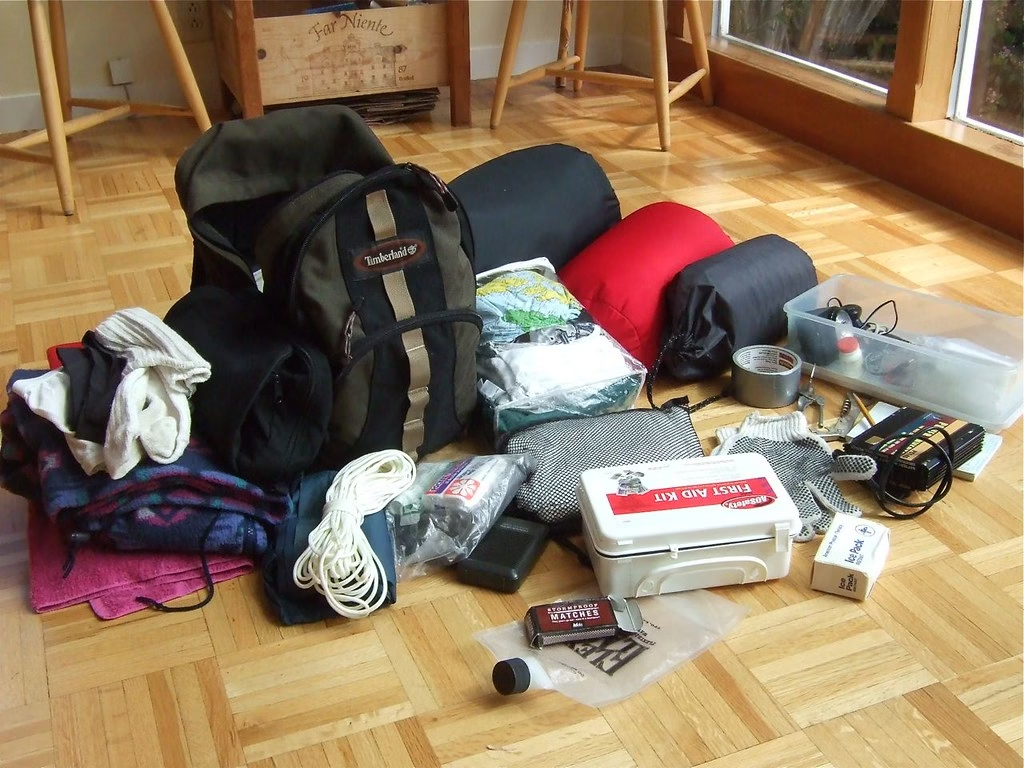
A bug out bag (BOB) is a portable emergency survival kit designed to sustain you for at least 72 hours in the event of a crisis that requires immediate evacuation. Whether it’s a natural disaster, civil unrest, or a large-scale power outage, a bug out bag ensures you have the essentials to survive and stay mobile.
The term “bug out” originates from military slang, referring to a rapid retreat from a dangerous situation. In civilian terms, it means being ready to leave your home or workplace at a moment’s notice with everything you need to survive on your back.
🧠 Why You Need a Bug Out Bag
Emergencies are unpredictable. You may not have time to gather supplies when disaster strikes. A well-prepared bug out bag gives you peace of mind and a practical edge in surviving the first critical hours or days of a crisis.
It’s not about paranoia—it’s about preparedness. Think of it as insurance: you hope you never need it, but you’ll be grateful you have it if you do.
📋 Bug Out Bag Checklist: What Should Be in a Bug Out Bag?
While the contents of a bug out bag can vary depending on your location, climate, and personal needs, experts agree on several core categories of gear. Here’s a breakdown of the most important components, based on the Ultimate Bug Out Bag List and We Love Prepping
1. Shelter and Sleep System
- Tent or tarp
- Sleeping bag or bivy sack
- Emergency blanket
- Ground pad or inflatable mat
2. Water and Hydration
- 3 liters of water (minimum)
- Water filtration system (e.g., LifeStraw)
- Water purification tablets
- Collapsible water bottle or canteen
3. Food and Cooking
- High-calorie, non-perishable food (jerky, granola bars, freeze-dried meals)
- Portable stove or fire-starting kit
- Utensils and can opener
4. First Aid and Hygiene
- First aid kit with bandages, gauze, antiseptic
- Prescription medications
- Hygiene kit (toothbrush, wipes, feminine products)
- Bug repellent and sunscreen
5. Tools and Gear
- Multi-tool or knife
- Paracord
- Duct tape
- Flashlight and extra batteries
- Firestarter (matches, lighter, ferro rod)
6. Navigation and Communication
- Compass and topographical map
- Emergency radio (hand-crank or battery-powered)
- Signal mirror and whistle
- Cell phone charger or solar power bank
7. Clothing and Protection
- Weather-appropriate clothing
- Gloves and sturdy boots
- Rain poncho or waterproof jacket
- Hat and sunglasses
8. Documents and Cash
- Copies of ID, insurance, and emergency contacts
- Local maps
- Small amount of cash in small denominations
🧰 Bug Out Bag Essentials: What to Prioritize
When building your bug out bag, prioritize items that serve multiple purposes and are lightweight. According to The Bug Out Bag Guide, your bag should weigh no more than 25% of your body weight
1. Overpacking can slow you down and increase fatigue, which is dangerous in a survival scenario.
Focus on the “Rule of Threes” in survival:
- You can survive 3 minutes without air
- 3 hours without shelter in extreme conditions
- 3 days without water
- 3 weeks without food
This rule helps you prioritize shelter, water, and warmth over less critical items.
🧪 Customizing Your Bag
No two bug out bags should be exactly alike. Your kit should reflect:
- Your environment: Urban vs. rural, hot vs. cold climates
- Your health: Include medications, glasses, or mobility aids
- Your family: Children, pets, or elderly members may need additional supplies
- Your skills: If you’re trained in wilderness survival, you may carry fewer tools and more raw materials
Use tools like the Emergency Bug Out bag checklist or the interactive bag builder to tailor your kit to your needs
🎒 Best Bug Out Bag: What to Look For
Choosing the right bag is just as important as what goes inside it. Here are key features to consider:
- Durability: Look for water-resistant, ripstop nylon or canvas
- Capacity: 40–60 liters is ideal for most people
- Compartments: Multiple pockets help with organization
- Comfort: Padded straps, hip belts, and ventilation are essential for long treks
- MOLLE compatibility: Allows you to attach extra gear externally
Some top-rated options include:
- 5.11 Tactical RUSH72
- Maxpedition Falcon-II
- Emergency Zone Urban Survival Bug Out Bag
🧭 Bug Out Bag vs. Get Home Bag vs. INCH Bag
It’s easy to confuse different types of emergency kits. Here’s how they differ:
- Bug Out Bag (BOB): Designed for 72-hour survival during evacuation
- Get Home Bag (GHB): Smaller kit for getting home from work or travel
- INCH Bag: “I’m Never Coming Home” bag—meant for long-term survival
Each serves a different purpose, and some people choose to maintain all three.
🔁 Maintenance and Rotation
Your bug out bag isn’t a “set it and forget it” project. Review and update it every 6 months:
- Replace expired food and medications
- Check batteries and electronics
- Adjust clothing for seasonal changes
- Update documents and contact info
🧩 Final Thoughts
A bug out bag is more than a backpack—it’s a lifeline. In a world where emergencies can escalate quickly, being prepared is not just smart, it’s essential. By building a well-thought-out bag, you’re taking a proactive step toward protecting yourself and your loved ones.
Whether you’re new to prepping or a seasoned survivalist, the key is to start simple, stay informed, and build a kit that works for your life.
Leave a Reply