1. Emergencies Happen Without Warning
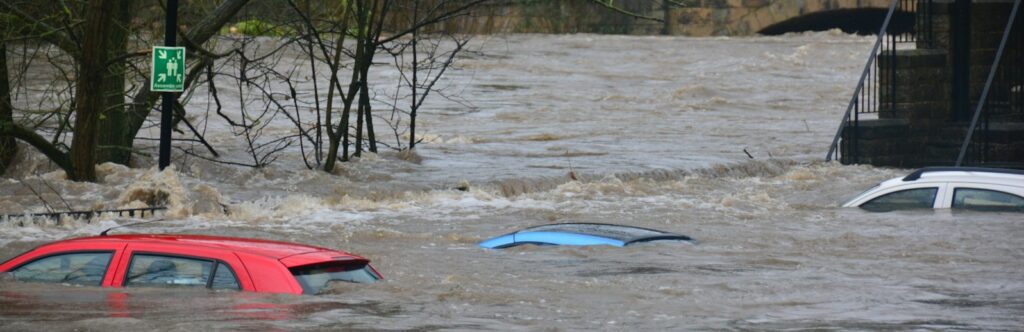
Natural disasters, power outages, medical emergencies, or civil disturbances can occur suddenly. In such moments, access to basic necessities like food, water, and medical supplies may be limited. According to Ready.gov, you may need to survive on your own for several days, making a well-stocked emergency kit vital
2. It Buys You Time and Safety
An emergency kit ensures you have immediate access to essentials—reducing panic and allowing you to focus on safety and communication. The CDC emphasizes that kits should include food, water, medications, and important documents, especially for families with children or special needs
3. It Supports Medical and First Aid Needs
Injuries are common during emergencies. A first aid kit with gloves, masks, and basic medical supplies can help stabilize a situation until professional help arrives. Internal resources like the and documents reinforce the importance of having first aid materials, hygiene items, and protective gear readily available
4. It Keeps You Connected and Informed
Power outages can cut off communication. Emergency kits should include flashlights, radios, and backup power sources to stay informed and connected. The CDC and Red Cross both recommend battery-powered or hand-crank radios and extra phone chargers
5. It’s a Workplace and Home Responsibility
Whether at home or in the office, preparedness is a shared responsibility. Highlight the importance of knowing where kits are located and ensuring they are accessible in all environments
🧰 What to Include in Your Emergency Kit
Based on expert recommendations, your kit should contain at least:
- Water: 1 gallon per person per day (3-day supply)
- Food: Non-perishable items like canned goods, peanut butter, and granola bars
- First Aid Kit: Bandages, antiseptics, gloves, masks
- Tools: Flashlight, batteries, manual can opener, multi-tool
- Communication: Battery-powered radio, whistle, phone charger
- Hygiene: Towelettes, soap, feminine products
- Documents: Copies of IDs, insurance, and emergency contacts
- Cash: In small denominations
- Clothing: Weather-appropriate change of clothes and sturdy shoes
- Special Needs: Medications, baby supplies, pet food
Leave a Reply